
Get Backflow Preventer Installation
Backflow preventer installation services help property owners avoid water contamination by having local contractors install devices that protect drinking water systems during plumbing projects.
Property owners considering backflow preventer installation often seek reliable solutions to protect their water supply from contamination and ensure compliance with local regulations. Whether managing a residential, commercial, or industrial property, understanding the benefits of proper backflow prevention can help maintain safe water quality and prevent potential health hazards. Exploring options with experienced local contractors can provide valuable insights into the most suitable systems for specific property needs, making it easier to plan and execute this important project.
By comparing services offered by nearby professionals, property owners can find the right expertise to handle backflow preventer installation efficiently and effectively. Many local service providers specialize in this work, offering tailored solutions that align with the unique requirements of each property. Continuing to explore available options and gather information can empower property owners to make informed decisions about safeguarding their water systems.
- Backflow preventer installation for new plumbing systems - when installing a new commercial or residential water supply, local contractors can ensure proper backflow prevention measures are in place.
- Backflow preventer upgrades or replacements - if existing backflow devices are outdated or malfunctioning, service providers can replace or upgrade them to maintain compliance.
- Backflow preventer testing and certification - property owners may need testing services to verify their backflow preventers are functioning correctly and meet local codes.
- Backflow preventer repairs for leaks or damage - damaged or leaking backflow preventers require professional repair to prevent contamination risks.
- Backflow preventer maintenance for commercial properties - routine maintenance services help ensure continued protection of potable water supplies in commercial settings.
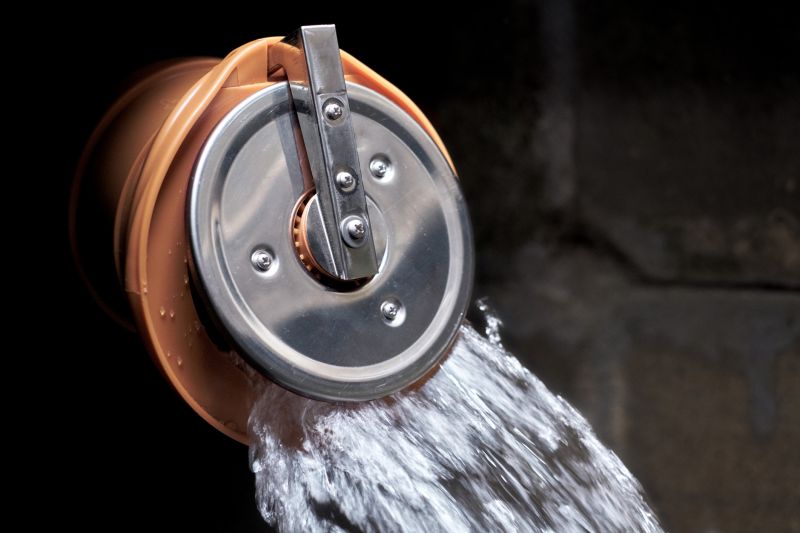
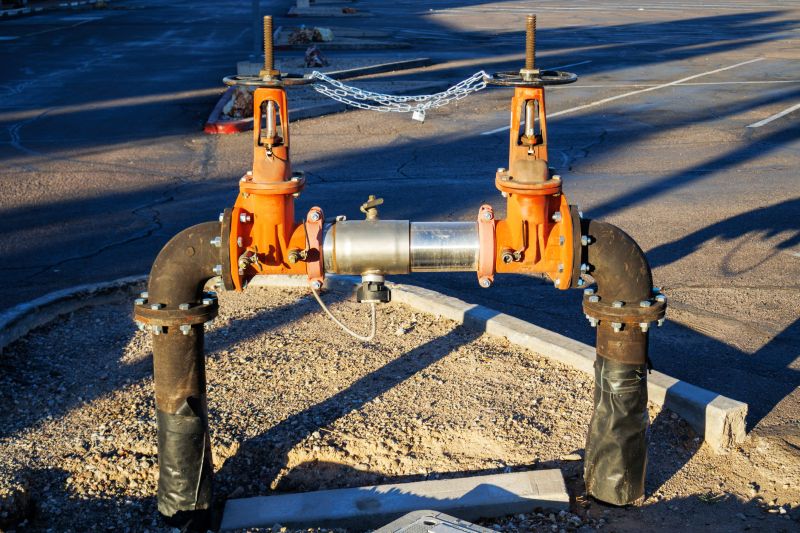
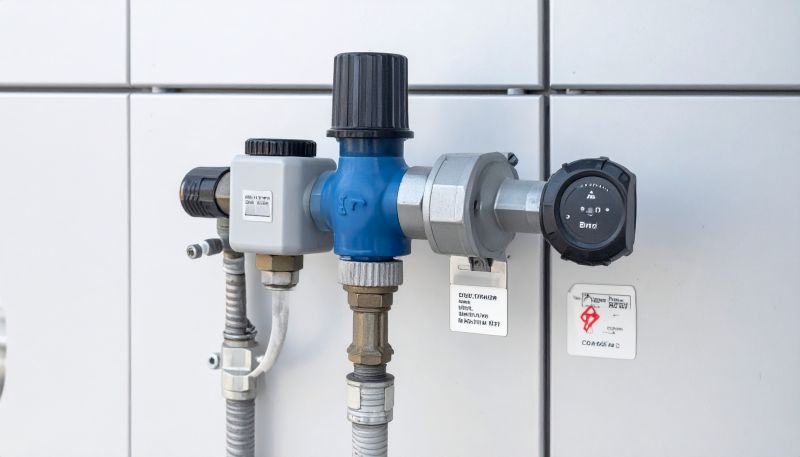
Backflow preventer installation services involve setting up a specialized valve system designed to protect a property's drinking water supply from contamination. These devices are installed at key points where water lines connect to external sources or irrigation systems. Proper installation ensures that any reverse flow of water, which can carry pollutants or bacteria, is effectively blocked, maintaining the safety and purity of the water used throughout the property. Experienced local contractors can assess the specific needs of a property and install backflow preventers that meet local codes and standards, providing peace of mind for homeowners concerned about water quality.
Many common plumbing issues can be mitigated with a backflow preventer in place. Without this device, there’s a risk of contaminated water flowing back into the main supply due to pressure changes, back siphonage, or cross-connections. This can happen in situations such as broken pipes, sudden pressure drops, or improper system connections. Installing a backflow preventer helps prevent these problems, protecting residents from potential health hazards and avoiding costly repairs or water quality violations. It is especially important in properties with irrigation systems, fire suppression systems, or commercial plumbing setups where cross-connections are more likely.
Properties that typically use backflow preventer installation services include residential homes, especially those with private wells or irrigation systems, as well as commercial buildings, restaurants, and industrial facilities. Homes with well water systems or those connected to municipal water supplies may need backflow preventers to meet local regulations. Commercial properties that handle chemicals or have complex plumbing systems also benefit from these devices to ensure water safety and compliance. Whether for new construction, system upgrades, or routine safety measures, local service providers can evaluate the property’s plumbing setup and recommend appropriate backflow prevention solutions.
Choosing to have a backflow preventer installed is a proactive step toward safeguarding water quality and maintaining compliance with local plumbing codes. When considering this service, it’s important to work with experienced local contractors who understand the specific requirements of different property types. Proper installation not only helps prevent contamination but also ensures the system functions reliably over time. Homeowners and property managers seeking dependable backflow prevention solutions can contact local service providers to compare options and find the best fit for their needs, ensuring safe and clean water for all occupants.
The overview below groups typical Backflow Preventer Installation projects into broad ranges so you can see how smaller, mid-sized, and larger jobs often compare in your area.
In many markets, a large share of routine jobs stays in the lower and middle ranges, while only a smaller percentage of projects moves into the highest bands when the work is more complex or site conditions are harder than average.
Smaller Repairs - Typical costs for routine backflow preventer repairs usually fall in the range of $250-$600. Many common issues can be addressed within this budget, making it a common price point for local contractors. Larger, more complex repairs may push beyond this range but are less frequent.
Basic Installation - Installing a new backflow preventer often costs between $500 and $1,500. Many standard projects land in this range, with simpler installations being on the lower end and more involved setups reaching higher prices. Fewer jobs require extensive modifications that surpass this range.
Full Replacement - Replacing an entire backflow prevention system typically costs from $1,500 to $3,500. Larger or more complex replacements can go beyond $4,000, though such projects are less common. Local service providers can offer estimates based on specific site conditions.
Complex or Commercial Projects - Large-scale or commercial backflow preventer installations can range from $3,500 to $10,000 or more. These projects often involve additional permits, custom setups, or extensive plumbing work, which can significantly influence the final cost. Many local contractors provide tailored quotes for such jobs.
Actual totals will depend on details like access to the work area, the scope of the project, and the materials selected, so use these as general starting points rather than exact figures.
Irrigation System Installation - installing irrigation systems involves plumbing, piping, and planning skills similar to backflow preventer installation to ensure proper water flow and prevent contamination.
Water Line Replacement - replacing or repairing water lines requires understanding of piping and pressure management, which aligns with the skills used in backflow preventer setup.
Sprinkler System Setup - setting up sprinkler systems involves underground piping and water control devices, making it comparable to backflow preventer installation in terms of planning and tool use.
Plumbing Fixture Installation - installing fixtures like faucets and valves involves plumbing knowledge that overlaps with the skills needed for backflow preventer work.
Water Meter Installation - connecting and configuring water meters requires plumbing and system integration skills similar to those used in backflow prevention projects.
Drainage System Construction - designing and installing drainage solutions involves pipe layout and planning skills that are also applicable to backflow preventer installation services.
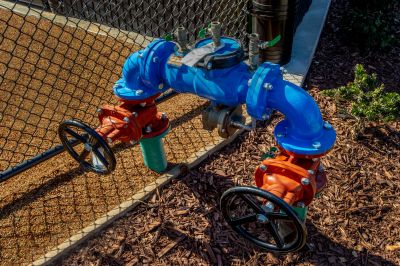
When comparing service providers for backflow preventer installation, it’s important to evaluate their experience with similar projects. Homeowners should look for local contractors who have a proven track record of completing backflow prevention work effectively and efficiently. Asking about the types of systems they have installed and the complexity of past projects can provide insight into their familiarity with different setups. An experienced contractor is more likely to understand the specific requirements of backflow prevention and ensure the work is performed correctly the first time.
Clear, written expectations are essential when choosing a local contractor for backflow preventer installation. Homeowners should seek providers who can offer detailed descriptions of the scope of work, materials to be used, and any relevant warranties or guarantees. Having this information in writing helps prevent misunderstandings and ensures that both parties are aligned on project goals. It’s also helpful to ask service providers if they can provide a written estimate or plan before work begins, so expectations are transparent and well-defined.
Good communication and reputable references are key factors in selecting a reliable local contractor. Homeowners are encouraged to ask for references from previous clients who had similar work done, as this can reveal the quality of service and professionalism. Additionally, a contractor who communicates clearly, responds promptly to questions, and provides thorough explanations can make the process smoother. Remember, this site introduces homeowners to local options for backflow preventer installation, but the work itself is handled directly by qualified service providers in the area.
Property owners use Backflow Preventer Installation services for practical projects around their homes and businesses. This guide focuses on everyday jobs and straightforward project options.
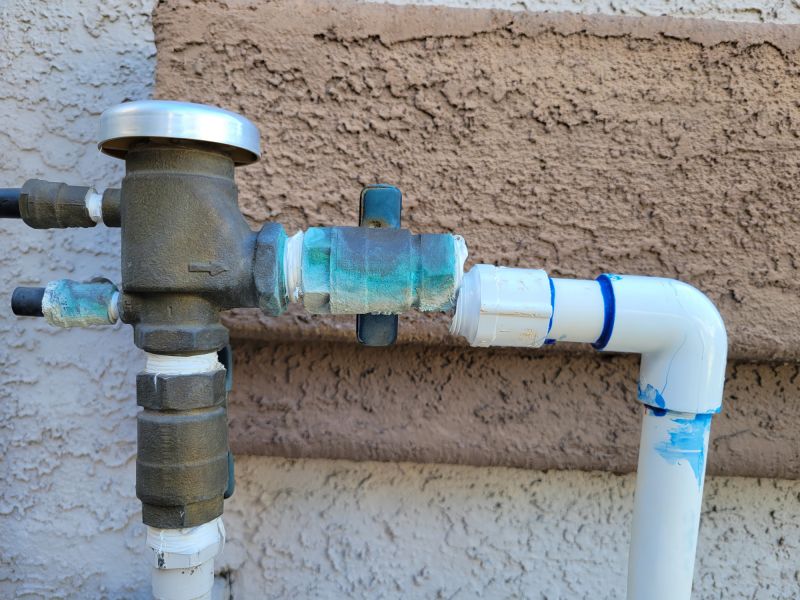
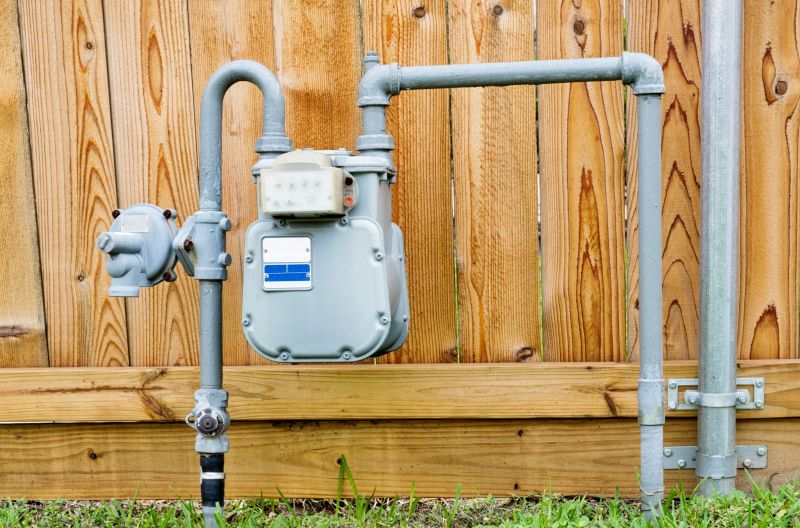
Backflow preventer installation is a common service needed by property owners who want to protect their drinking water supply from contamination. Situations such as installing new irrigation systems, upgrading existing plumbing, or preparing for property inspections often require the expertise of local contractors to ensure proper backflow prevention measures are in place. Property owners may seek these services to maintain water safety standards and comply with local regulations, especially when making changes to their water systems or preparing for seasonal irrigation needs.
Many property owners look for backflow preventer installation services when experiencing issues with their current plumbing setup or after noticing potential cross-connection risks. Routine testing and maintenance might also lead to the need for professional installation or upgrades. Local service providers can help ensure that backflow prevention devices are correctly installed and functioning properly, providing peace of mind that the property's water supply remains safe and free from contamination.
What is a backflow preventer? A backflow preventer is a device installed in plumbing systems to prevent contaminated water from flowing back into the clean water supply.
Why should I consider installing a backflow preventer? Installing a backflow preventer helps protect the drinking water supply from potential pollutants and ensures water remains safe for use.
Who can handle backflow preventer installation? Local contractors with experience in plumbing and backflow prevention can perform the installation service.
How do I know if I need a backflow preventer? A professional can assess your plumbing system to determine if a backflow preventer is necessary based on your property’s setup and local regulations.
What types of backflow preventers are available? There are various types, such as atmospheric vacuum breakers and double check valves, which can be installed depending on your specific needs.
Preventing Contamination - Installing a backflow preventer helps protect drinking water from potential contamination caused by backflow incidents on the property.
Protecting Irrigation Systems - A backflow preventer can be added to irrigation setups to ensure water used for landscaping does not flow back into the main supply.
Ensuring Plumbing Code Compliance - Property owners can have local contractors install backflow preventers to meet local water safety regulations and standards.
Safeguarding Commercial Properties - Businesses can utilize backflow prevention to maintain safe water systems and prevent cross-contamination in commercial plumbing.
If you are thinking about Backflow Preventer Installation for a property, this guide is meant to help you understand the work, the typical project types, and how different options might fit your plans.
When you are ready, you can use the quote form on this page to share a few details about your project. From there, local pros can review the basics and respond with options that match what you have in mind.